The Virtuoso Myth: More Speed Does Not Always Mean More
The virtuoso myth makes speed easy to admire. Learn how tempo, restraint, and musical context reveal whether technical display serves the music.
The common mistake in judging a virtuoso performance is to treat speed as a verdict: the faster the notes fly, the better the playing must be. The virtuoso myth can turn a concert into a contest and obscure the musical purpose of the difficult passage. A rapid run deserves attention, but velocity alone says little about what it contributes.
Technique and purpose
Technical command allows a performer to make difficult music sound deliberate rather than precarious. It is a means, not a complete account of the music: a clean run can impress while still sounding like a sentence delivered without emphasis.
Instead of adopting one listening rule for every passage, consider how the passage relates to its surroundings. A rapid figure might introduce a melody, intensify a conflict, or answer another instrument. Those relationships offer a clearer basis for judging the performance than speed on its own.
Speed in context
A quick tempo can suggest urgency, playfulness, or lightness; a more measured one can make the same notes seem deliberate or weighty. The useful question is whether the chosen pace helps the musical idea register.
Listen to what the speed makes possible. A run might build toward a high point, answer a phrase from another instrument, or release tension. If it changes the direction of the music, its technical difficulty has a role beyond display.
Imagine a pianist beginning with a rapid scale that rises into a lyrical melody. The invented starting point is a scale played briskly, followed by a melody that could either feel connected or separate. If the pianist lets the scale gather energy and then opens the melody into a broader line, the transition makes the scale feel like preparation; if both sections have the same emotional weight, the performance may sound less shaped, even if every note is clear.
Restraint and tension
Restraint is not simply playing softly or cautiously. It can involve holding back a full tone, leaving space around a phrase, or avoiding an oversized climax when the surrounding music does not support one. Such choices can give a later arrival more weight.
In music built on tension or ambiguity, smoothing every rough edge may remove part of the passage’s character. A dissonance left unsettled can keep the listener alert to what has not yet resolved. The question is whether the quieter or less emphatic playing still seems directed, rather than merely withdrawn.
Restraint is a choice, not evidence of hesitation by itself.
Contrast and phrasing
Contrast gives musical events their scale. A loud passage can feel forceful after a delicate one; a pause can matter because the line had been moving steadily. If every phrase is pushed toward its maximum, differences lose their force.
Phrasing is the way a performer groups and shapes notes into a musical thought. Even without a score, you can hear a line gather momentum, relax, or place weight on a particular note. Timing and emphasis help make the phrase sound directed rather than merely played.
Say a violinist sustains a phrase toward a held note, then softens just before it arrives. That small retreat can make the arrival feel earned rather than announced. The choice shows control through proportion, not volume.
How does virtuosity serve music?
How can I tell whether speed serves the music?
Listen for what the fast passage leads into and whether its energy changes the music that follows. If it builds a transition, answers another musical idea, or releases tension, the pace has a function beyond display.
Does restraint mean the performer is holding back?
Not necessarily. Restraint can preserve tension or make room for contrast; listen for direction in the quieter sound rather than equating force with commitment.
What if I enjoy technical display most?
Enjoy it; technical brilliance is a legitimate source of pleasure. You can also notice how the performer organizes that brilliance, so admiration for the notes has room to coexist with attention to the larger shape.
Judgment by setting
A showy solo invites attention to precision and stamina, but the display still belongs to a musical line. In a slow movement, tone, pacing, and the connection between phrases may carry more of the expressive work. One standard need not govern both situations.
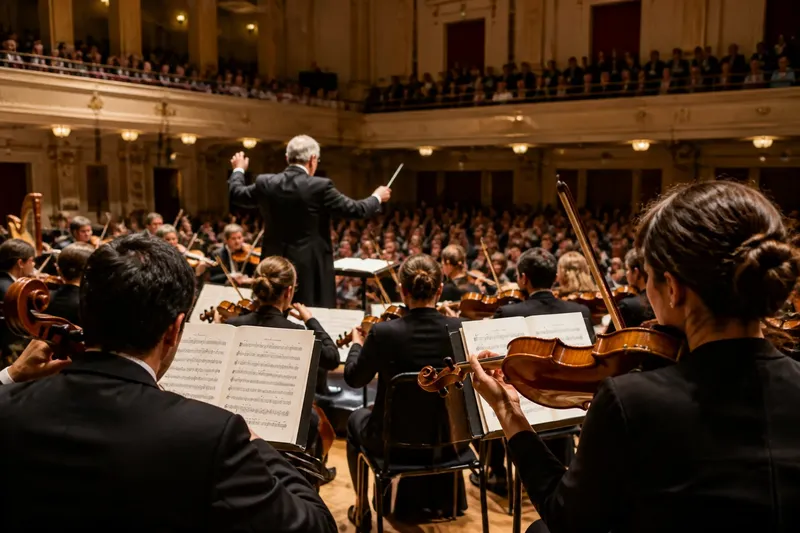
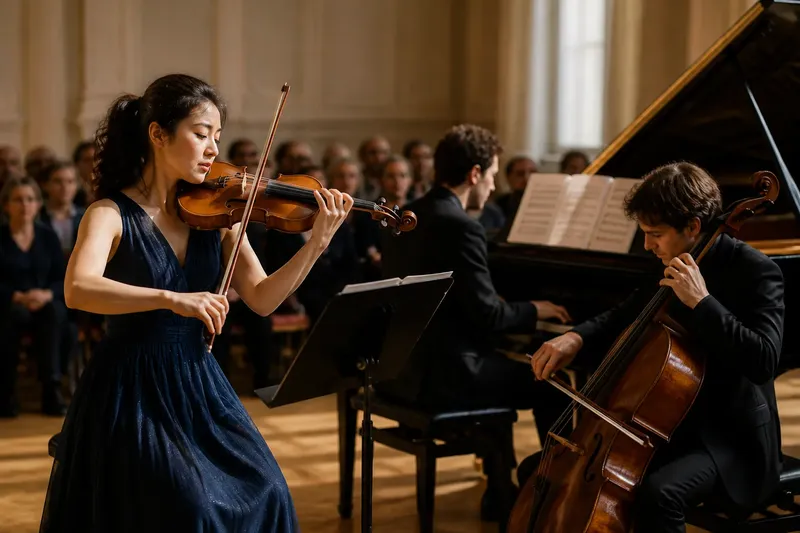
In chamber music, a flourish can change the balance among the players. In an orchestral solo, the featured line gains meaning through its relationship with the ensemble. A technically brilliant gesture may compel because it answers, interrupts, or yields to another sound.
The virtuoso myth makes speed easy to admire, but context gives that admiration useful shape. Ask what the difficult passage contributes: brilliance, tension, release, wit, or a moment of contrast. A performance can be dazzling; the more revealing question is what its difficulty makes audible.